
Expert Arabic Teachers Online in the UAE: How to Learn Arabic Faster (With the Right Tutor)
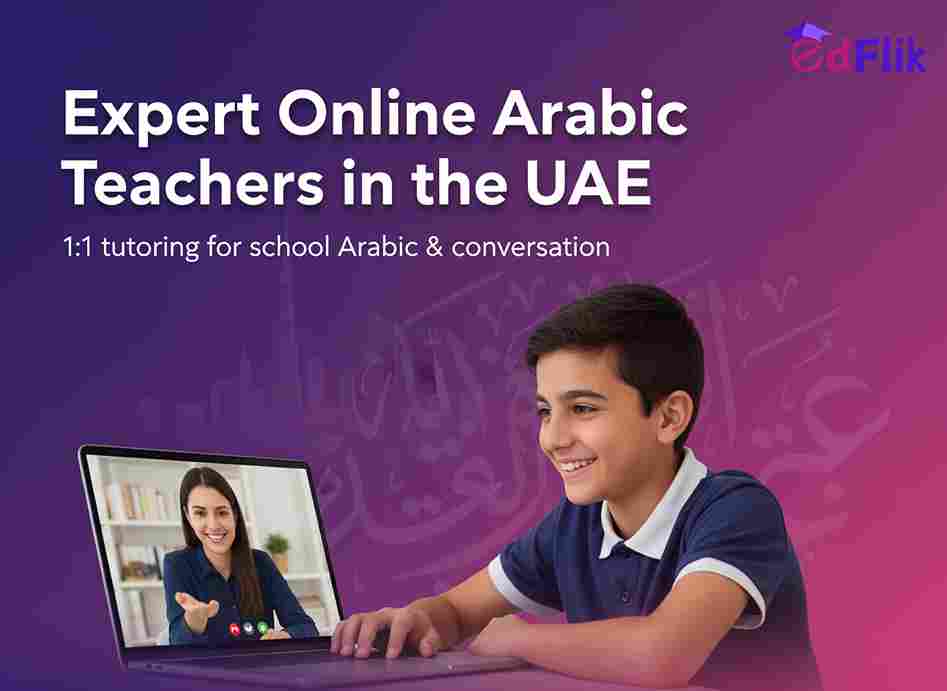
Learning Arabic in the UAE is a real advantage—academically, socially, and for long-term opportunities. But many students struggle because Arabic is taught like a memorization subject instead of a language you use. The result is common: students can recognize words, but they hesitate to speak, make grammar mistakes, and lose marks in writing.This guide is for UAE parents and students who want real progress in Arabic. You’ll learn how to choose the right online Arabic teacher, what a good learning plan looks like, and how online 1:1 tutoring. helps students improve speaking, reading, and exam performance.
What Kind of Arabic Does Your Child Need? (This Changes Everything)
Before choosing a tutor, clarify the goal. Arabic learning in the UAE usually falls into one of these tracks:
1) School Arabic (Most common)
Students need help with:
- Grammar rules and sentence structure
- Reading comprehension
- Writing (paragraphs, essays, guided writing)
- Dictation/spelling
- Exam technique and scoring patterns
2) Conversational Arabic (Speaking confidence)
Students want:
- Everyday vocabulary and phrases
- Pronunciation and listening
- Real-life speaking practice
- Confidence to communicate without fear
3) Quranic / Classical Arabic (Specific purpose)
This is different from school Arabic and needs a tutor with relevant expertise.Tip: A good tutor will ask the goal first. If they don’t, that’s a red flag.
Why Students Struggle With Arabic (Even After Years)
Arabic becomes difficult when students face one or more of these issues:
- Weak foundation: missing basics like verb forms, gender, plurals
- Too much memorization: learning lists without using them in sentences
- Low speaking practice: students rarely speak Arabic in full sentences
- Confusing grammar: rules are taught without enough examples
- Fear of mistakes: students stop trying, especially in speaking
The fastest improvement comes from fixing the foundation and practicing in the same format the student is tested on.
What Makes an Arabic Teacher “Expert” for Online Learning?
“Native tutor” can be helpful, but it’s not the only factor. The best online Arabic teachers usually have:
Strong teaching method (not just fluency)
They can:
- Explain grammar simply
- Correct mistakes clearly and kindly
- Use examples your child understands
- Build speaking confidence step-by-step
Curriculum and exam familiarity (for school students)
They understand:
- Your child’s grade expectations
- Common question patterns
- How marks are given in writing and comprehension
A structured plan
They don’t “teach randomly.” They follow a weekly plan with clear goals.
Online Arabic Learning: What a Good Plan Looks Like
Here’s a simple structure that works for most students:
Step 1: Quick assessment (first 1–2 sessions)
The tutor checks:
- Reading level
- Grammar basics
- Writing ability
- Speaking confidence
- Common mistakes
Step 2: Weekly routine (consistent improvement)
A strong weekly plan includes:
- 1:1 lesson (concept + practice)
- Short homework (10–20 minutes)
- Speaking practice (guided prompts)
- Review of mistakes (so they don’t repeat)
Step 3: Monthly progress check
For school students:
- Mini-tests
- Writing feedback
- Reading comprehension practice
- Exam-style questions
This is what turns tutoring into measurable results.
How Online 1:1 Arabic Tutoring Helps UAE Students
Online tutoring works well in the UAE because families need flexibility. But the real benefit is personalization:
- The tutor teaches at the student’s pace
- More speaking time (student talks more than the teacher)
- Faster correction of repeated mistakes
- Easy scheduling after school and on weekends
- Focus on school exams or conversation goals
If your child is shy, 1:1 online classes often feel safer than group classes.
What to Ask Before Booking an Online Arabic Tutor
Use these questions to choose the right teacher:
- Do you teach school Arabic or conversational Arabic (or both)?
- How do you improve writing marks?
- How do you build speaking confidence?
- What homework or practice do you give?
- How do you track progress monthly?
- Can we change the tutor if the match isn’t right?
Common Mistakes Parents Make (And How to Avoid Them)
Mistake 1: Choosing based on “native” only
A native speaker who can’t teach clearly won’t help. Teaching skill matters more.
Mistake 2: No practice between classes
Language needs repetition. Even 10 minutes a day makes a difference.
Mistake 3: No focus on writing structure
Many students lose marks because they don’t know how to structure answers.
How EdFlik Helps Students Learn Arabic Online in the UAE
EdFlik provides live 1:1 online Arabic tutoring for students in the UAE, with a focus on real improvement—not just finishing lessons.With EdFlik, students get:
- A tutor matched to their goal (school Arabic or conversation)
- Structured lessons with practice
- Support for reading, writing, grammar, and speaking
- Flexible scheduling for UAE families
- Progress feedback to parents
If you want to start, you can book a trial class and we’ll recommend the right tutor based on your child’s grade and learning goal.
FAQs
How long does it take to improve in Arabic?
Many students see improvement within a few weeks when they follow a weekly plan and practice consistently.
Is online Arabic tutoring effective?
Yes—especially in 1:1 format where the student gets more speaking time and faster correction.
Can beginners learn Arabic online?
Absolutely. Beginners often do very well online with a structured plan and short daily practice.
Final Thoughts
Arabic becomes easier when students stop memorizing and start using the language with the right guidance. With an expert online Arabic teacher, students can build a strong foundation, improve marks, and speak with confidence.If you’d like, share your child’s grade and goal (school Arabic or conversation), and I’ll tailor a simple weekly plan you can follow.
Contact Us:-
- WhatsApp: +91 88788 96600
- Email: support@edflik.com
- Website: https://www.edflik.com