
How to Choose a Tutor for Your Child (Checklist for Australian Parents) – 2026 Guide
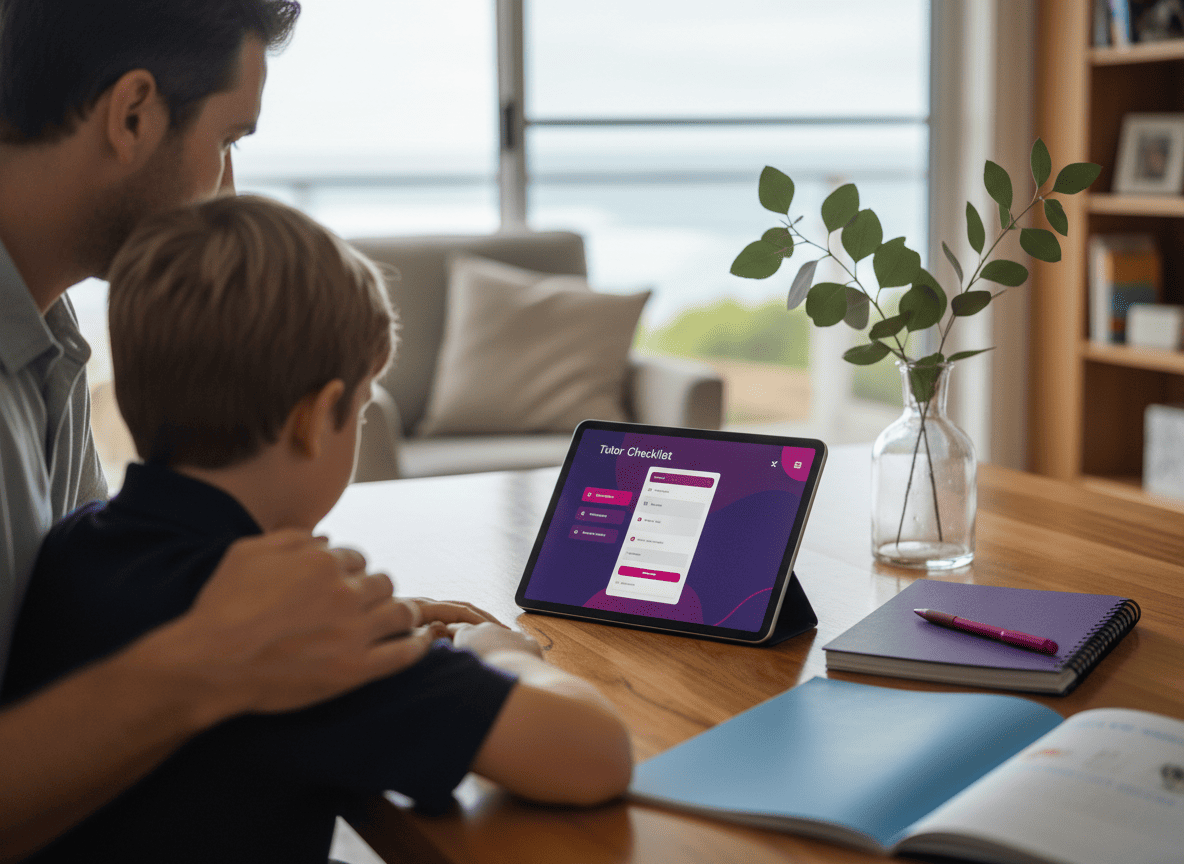
Choosing a tutor can feel stressful because you’re not just paying for lessons—you’re trusting someone with your child’s confidence, habits, and results. In Australia, there are many tutoring options (online, in-person, 1:1, group), but the best choice is always the one that matches your child’s current gap and has a clear system for improvement.This guide gives Australian parents a practical, step-by-step checklist to choose the right tutor and avoid wasting time and money.
Step 1: Get clear on the real goal (not just “better marks”)
Before you contact tutors, write down the top 1–2 goals:
- Foundation gaps (Maths basics, reading, writing)
- Confidence issues (child avoids the subject, anxiety)
- Exam performance (NAPLAN, school tests, senior assessments)
- Writing improvement (structure, vocabulary, clarity)
- Speed + accuracy (timed tests, problem-solving)
A good tutor will ask about goals first. If they don’t, that’s a red flag.
Step 2: Ask for a diagnostic first (non‑negotiable)
The best tutors don’t start “teaching topics” immediately. They begin with a quick diagnostic such as:
- a baseline worksheet/test
- review of recent schoolwork and teacher feedback
- error-pattern analysis (what mistakes repeat and why)
Why it matters: without diagnosis, tutoring becomes random and slow.
Step 3: Check if the tutor has a 4–8 week plan
Ask: “What will you do in the next 4 weeks?”
A strong tutor should explain:
- weekly topics and targets
- practice between sessions
- how they will revise and test progress
- what results you should expect in 4–8 weeks
If the tutor can’t explain the plan simply, they probably don’t have one.
Step 4: Evaluate correction quality (this is where marks improve)
Many students practise a lot but don’t improve because no one corrects mistakes properly.
For Maths/Science, look for:
- step-by-step correction
- method marks focus
- training on common traps
- exam-style application questions
For English, look for:
- line-by-line feedback
- writing frameworks (paragraph structure, argument flow)
- comprehension strategy training
- repeated practice with correction
Quick test: ask the tutor how they correct a student’s work.
Step 5: Choose the right format (1:1 vs group)
1:1 tutoring is best when:
- your child has gaps
- confidence is low
- you need faster improvement
- you want detailed correction and personalisation
Group tutoring is best when:
- your child is already fairly consistent
- the goal is revision and routine
- peer motivation helps
- budget matters
Many families use a hybrid: 1:1 for weak areas + group for revision.
Step 6: Tutor fit matters more than “years of experience”
A great tutor for your child should be:
- clear and structured
- patient and encouraging
- able to adjust teaching style
- focused on the child explaining answers (active learning)
Trial class tip: if your child talks and explains more, it’s usually a good sign.
Step 7: Ask how progress will be tracked (and shared with parents)
Parents should receive:
- short weekly updates (what was covered + what to practise)
- progress summaries every 4–6 weeks
- measurable improvement targets (accuracy, writing quality, test scores)
If there’s no tracking, you’ll never know if it’s working.
Step 8: Confirm homework expectations (keep it realistic)
Good tutoring homework should be:
- short, targeted, and aligned to gaps
- corrected consistently
- designed to build habits, not overload the child
If homework is too heavy, families burn out and consistency drops.
Step 9: Watch for red flags
Avoid tutors who:
- don’t do diagnostics
- teach “everything” with no plan
- give vague feedback (“good effort” only)
- don’t correct work properly
- can’t explain progress tracking
- promise unrealistic results quickly
The Australian Parent Checklist (Copy/Paste)
Before you choose a tutor, confirm:
- Diagnostic is done first
- Clear 4–8 week plan with targets
- Strong correction + feedback system
- Tutor fit: clear, patient, structured
- Progress tracking + parent updates
- Homework is short, targeted, and corrected
- Trial class includes next steps (not just a lesson)
Short FAQs:-
1) How soon should I see results?
Most students show measurable progress in 4–8 weeks with consistent tutoring + practice.
2) Is online tutoring effective for Australian students?
Yes—when lessons are structured and include correction, practice, and progress tracking.
3) How many sessions per week are ideal?
Often 1 session/week per subject is enough. For weak subjects or exam periods, 2 sessions/week helps.
4) Should parents sit in the session?
For younger children, it can help at the start. For older students, it’s better to let them learn independently and review progress updates instead.
Contact details (EdFlik)
To book a free trial or ask questions:
- Website: https://www.edflik.com
- WhatsApp: +918878896600
- Email: support@edflik.com
You May Also Like To Read:-