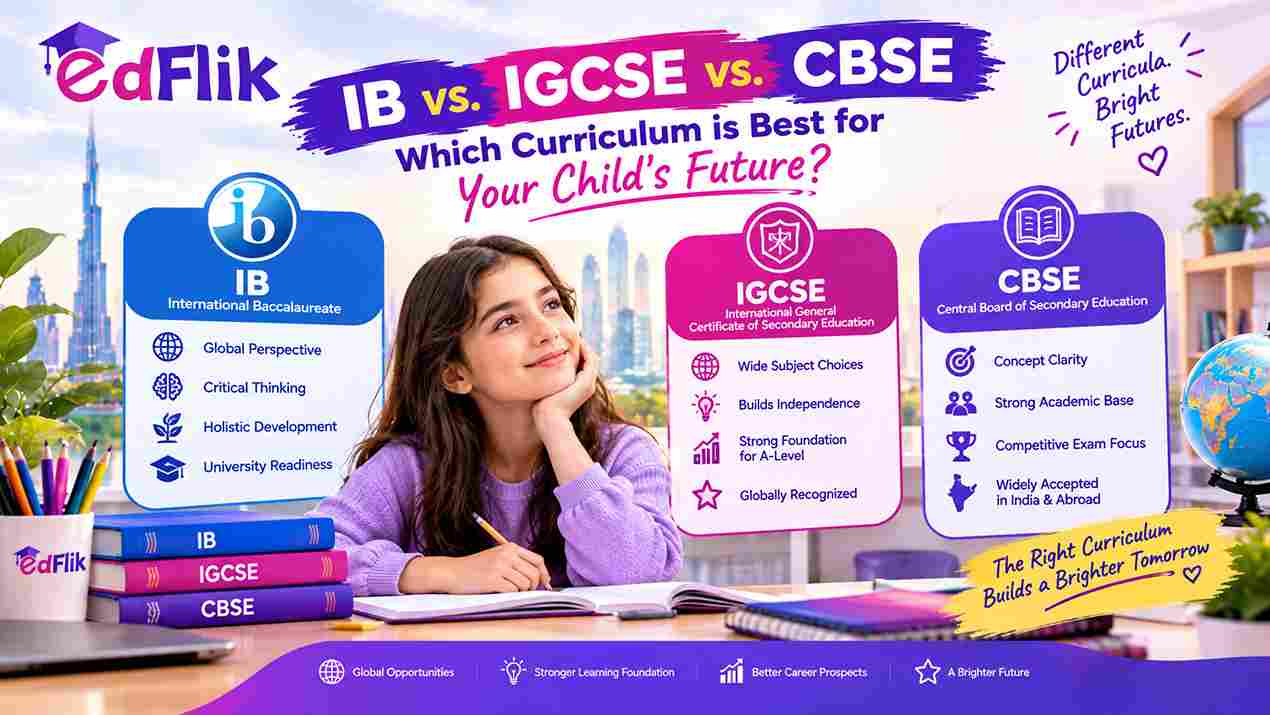
IB vs. IGCSE vs. CBSE: Which Curriculum is Best for Your Child's Future?
Last Updated: September 2026 | By EdFlik Education Team
Choosing the right educational curriculum for your child is one of the most critical decisions you will make as a parent. With so many global options available—each with its own philosophy, grading style, and future university prospects—it is easy to feel overwhelmed. Whether you are an expat family relocating internationally or a parent planning long-term academic success, understanding the differences is key.
In this comprehensive guide, we break down the three major global curricula—IB (International Baccalaureate), IGCSE (International General Certificate of Secondary Education), and CBSE (Central Board of Secondary Education)—to help you decide which path aligns best with your child’s learning style and future goals.
1. IB (International Baccalaureate): The Global Thinker’s Choice
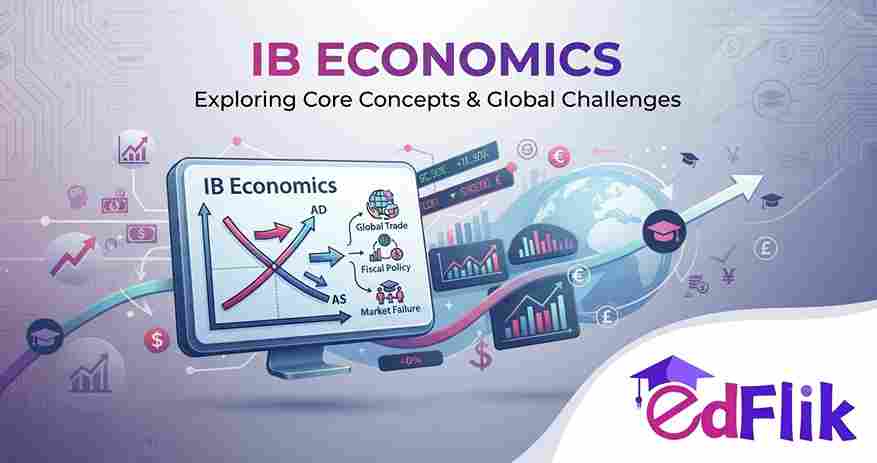
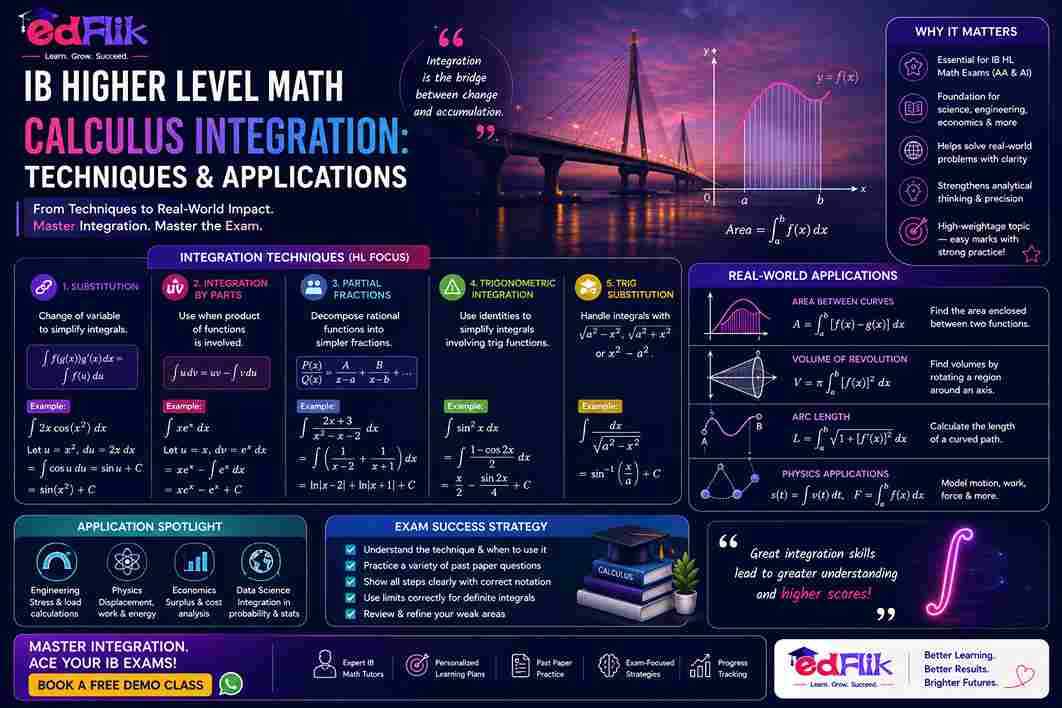
The IB curriculum, particularly the Diploma Programme (DP) for grades 11 and 12, is renowned worldwide for its rigorous, inquiry-based approach. Originating in Geneva, Switzerland, IB focuses heavily on critical thinking, research, and global citizenship.
- Teaching Methodology: Inquiry-based, conceptual, and cross-curricular. Students don’t just memorize facts; they ask why and how.
- Key Assessments: A mix of internal assessments, projects, and high-stakes external exams at the end of the DP. It also features unique core elements: Theory of Knowledge (TOK), the Extended Essay (EE), and Creativity, Activity, Service (CAS).
- Best Suited For: Highly adaptable students who enjoy independent research, strong analytical writing, and connecting classroom learning to real-world global issues.
- University Recognition: Universally accepted and highly respected by top-tier universities across the US, UK, Europe, and worldwide.
2. IGCSE (International General Certificate of Secondary Education): The Flexible Foundation
Administered primarily by Cambridge Assessment International Education (CAIE) and Pearson Edexcel, the IGCSE is the world’s most popular international qualification for ages 14–16 (followed typically by A-Levels or the IB Diploma).
- Teaching Methodology: Practical, application-oriented, and flexible. It emphasizes building a broad foundational knowledge base while allowing students to specialize early.
- Key Assessments: Rigorous external examinations at the end of Grade 10, featuring a wide variety of subject choices across sciences, humanities, languages, and vocational fields.
- Best Suited For: Students who thrive in structured assessment environments, want a balanced mix of coursework and exams, and prefer flexibility in choosing subject combinations.
- University Recognition: Serves as an exceptional stepping stone to A-Levels, the IB Diploma, or Foundation programs globally.
3. CBSE (Central Board of Secondary Education): The STEM & Competitive Powerhouse
The CBSE is India’s national board, overseen by the Ministry of Education, but it has a massive international footprint—especially across the Middle East and Southeast Asia—with thousands of affiliated schools.
- Teaching Methodology: Structured, content-heavy, and deeply focused on foundational academics, particularly Mathematics and Science.
- Key Assessments: Annual board examinations in Grade 10 and Grade 12. The syllabus is standardized, predictable, and tightly synchronized with competitive entrance exams.
- Best Suited For: Students aiming for careers in engineering, medicine, and pure sciences, or those who excel in structured, textbook-driven learning environments with clear marking schemes.
- University Recognition: Fully recognized by Indian universities (essential for exams like JEE and NEET) as well as international universities abroad.
Quick Comparison Table
| Feature | IB (International Baccalaureate) | IGCSE (Cambridge/Edexcel) | CBSE (Central Board) |
| Primary Focus | Critical thinking, holistic development, global outlook | Broad academic foundation, practical application | Strong core academics, STEM, and competitive testing |
| Assessment Style | Continuous internal assessment + final exams | Final external examinations with coursework options | Standardized annual board exams |
| Flexibility | High (through subject groups and core requirements) | Very High (wide choice of individual subjects) | Low-Moderate (structured curriculum tracks) |
| Ideal For | Independent, inquisitive learners | Adaptable students wanting global mobility | STEM-focused students aiming for structured rigor |
How to Choose the Right Curriculum for Your Child
When deciding between IB, IGCSE, and CBSE, ask yourself these three questions:
- What is our long-term relocation plan? If you move countries frequently, a globally portable curriculum like IB or IGCSE ensures smooth school transitions.
- How does my child learn best? Does your child love open-ended projects and essays (IB), structured flexibility (IGCSE), or clear-cut scientific and mathematical frameworks (CBSE)?
- What are their university aspirations? Research target university admission prerequisites early to ensure the chosen curriculum aligns with their intended major.
Need expert guidance tailored to your child's academic profile? EdFlik offers personalized 1-to-1 tutoring and academic counseling across all major global curricula.Book a Free Demo Class Today!
Frequently Asked Questions (FAQs)
Q1: Which curriculum is hardest: IB, IGCSE, or CBSE?
Ans: Difficulty is subjective. IB is often considered the most demanding due to its holistic core requirements (TOK, EE, CAS) and heavy writing load. CBSE is rigorous in terms of factual volume and competitive math/science depth, while IGCSE offers a balanced, flexible challenge.
Q2: Can my child switch from CBSE to IB or IGCSE later?
Ans: Yes, many students switch curricula—most commonly moving from CBSE to IB or IGCSE after Grade 8 or Grade 10. However, because teaching styles differ (shifting from rote/structured learning to inquiry-based analysis), students may need short-term bridge tutoring to adapt smoothly.
Q3: Which curriculum is best for engineering or medicine?
Ans: Both CBSE and IB/IGCSE are excellent. CBSE provides a deep, rigorous foundation heavily aligned with STEM entrance exams. Meanwhile, IB and IGCSE build exceptional analytical and problem-solving skills valued by top global medical and engineering schools.
Q4: How can EdFlik help my child succeed in their curriculum?
Ans: EdFlik provides expert, 1-to-1 live online tutoring customized to your child's specific board (IB, IGCSE, CBSE, US Common Core, etc.). Our certified teachers offer targeted homework help, exam prep, and conceptual clarity to help students excel.