ICSE Past Papers: How to Use Them to Revise
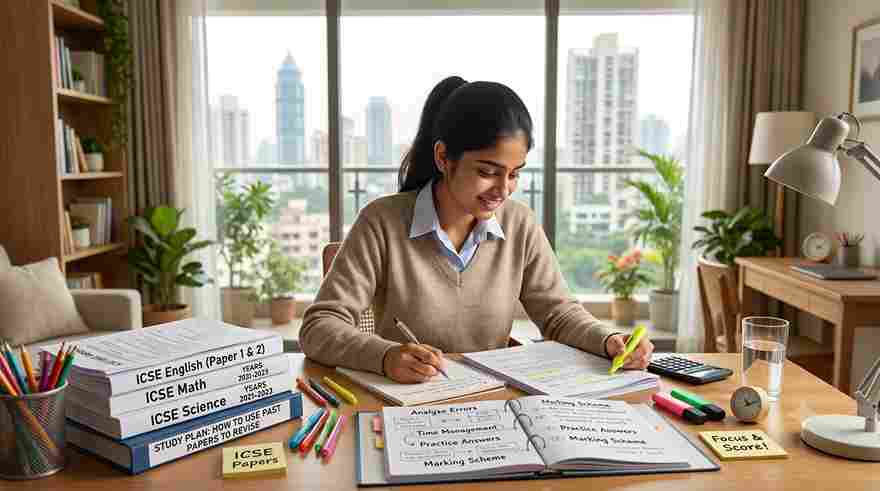
Ask any experienced teacher how to prepare for an exam, and past papers will come up almost every time. They show the style of questions, the way marks are allocated and the pace needed to finish on time. For ICSE students, past papers can be one of the most useful revision tools available. The challenge is using them well. Simply finishing a paper and checking the total does not teach much. This guide explains where to find past papers, how to work through them, and how a tutor can help you get the most from them.
Why past papers help more than extra reading
Reading notes again can feel productive, but it does not always show what a student can do under exam conditions. A past paper asks the student to recall, apply and organise knowledge in a limited time. It reveals gaps that a quick reread might miss. A student may think they understand a topic, then find they cannot answer a question on it when the clock is running.
Past papers also make the exam less mysterious. Once a student has seen several papers, the layout, the types of question and the typical wording become familiar. That familiarity reduces anxiety on the day, which is a real benefit for many children.
Where to find ICSE past papers
Start with your child's school. Teachers often have a set of papers they use in class, and they can recommend which years are most useful. Next, check the official board's website for the current papers and any sample materials they publish. Mark schemes and examiner reports are also valuable, because they show what a good answer looks like.
Be careful with older papers. Syllabuses and question styles can change over time, so check that a paper matches the current specification for your child's subject. If you are unsure, ask the teacher or tutor which papers to use first.
How many past papers should a student attempt?
There is no single number that suits everyone. The better question is how your child uses each paper. A student who completes three papers and reviews them carefully often learns more than one who rushes through ten. A sensible approach is to start with single questions or short sections, then move to full papers once the topics feel steadier.
A simple rhythm might look like this. In the early weeks, attempt one short section each week. In the middle weeks, complete one full paper every week or two. In the final stretch, aim for a steady pattern of full papers with thorough review after each one. Adjust the pattern if your child is tired, unwell or needs more time on one subject.
Should students mark their own past papers?
Yes, but with care. Marking your own work teaches you to think like an examiner. It is the best way to see how a mark scheme works, and it encourages honesty about gaps in knowledge. The risk is that a student may be too generous, or may only check the final answer rather than the method.
To make self-marking useful, use the official mark scheme and ask the student to tick each point they earned. Then ask them to write one line on every mark they lost, explaining what they should have included. This turns marking into learning, rather than a simple score.
Practising under exam conditions
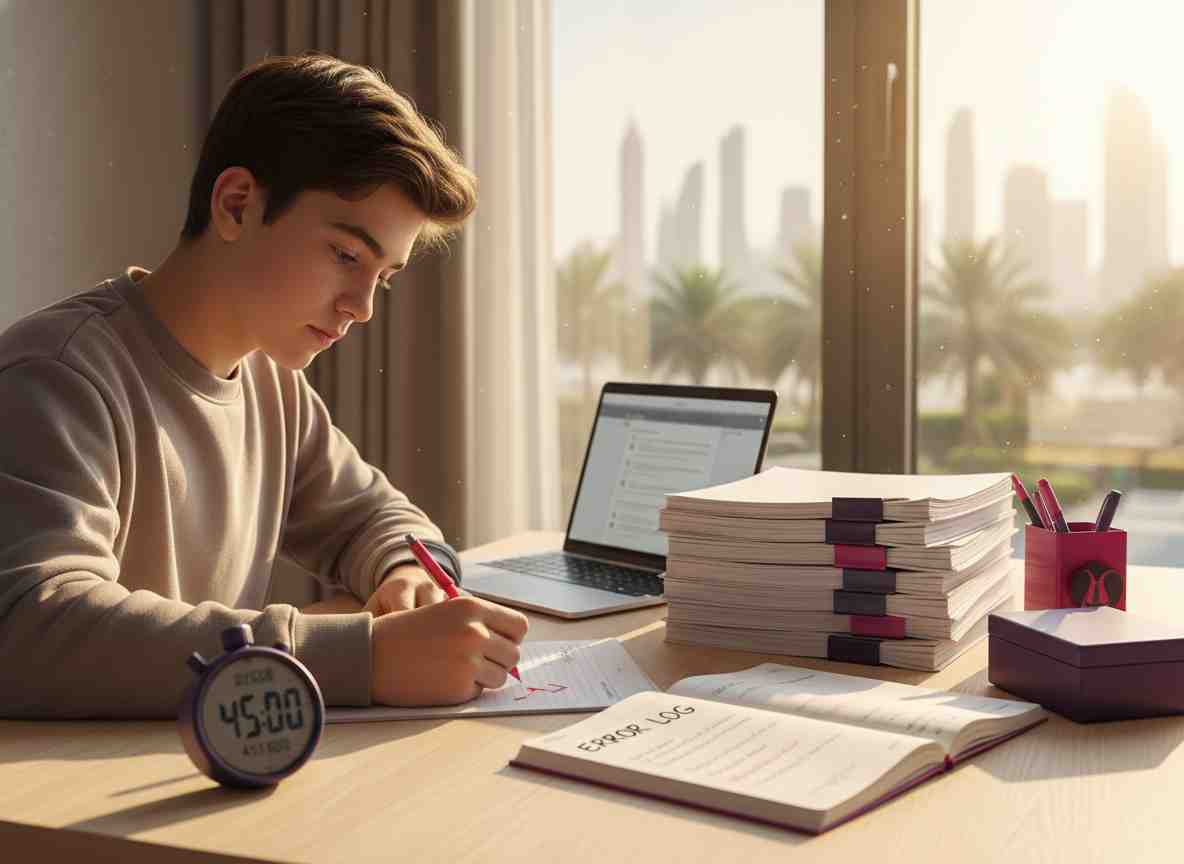
Timing is one of the most common reasons students lose marks on a paper they understood well. Practising under realistic conditions helps. Set a timer for the length of the paper or section, sit at a clear desk without phones or notes, and stop when the time is up. Afterwards, check how far your child got and which questions took longer than expected.
Once timed practice becomes familiar, a student can begin to plan their time on the day. They can note how long each section should take, decide which questions to answer first and leave a few minutes at the end to check their work. Many students find that a short plan written at the top of the paper keeps them calm and on track.
Turning mistakes into a study plan
Mistakes are the most valuable part of past-paper practice. Keep a simple error log, either in a notebook or a spreadsheet. For each mistake, note the topic, the type of error and the fix. Errors often fall into a few groups: misreading the question, forgetting a key term, weak calculation or running out of time.
Once a pattern appears, build it into the next week's plan. If your child keeps losing marks on the same topic, schedule a short session to revisit it, then try a similar question. If they run out of time, practise answering in timed sections. Over several weeks, the error log becomes a personal guide to what needs attention.
How a tutor can help with past papers
A tutor can do something a mark scheme cannot. They can ask why an answer was written the way it was, and they can help a student rebuild a weak response step by step. For example, a student may know the correct fact but fail to link it to the question. A tutor can show how to structure the explanation, then ask the student to try again.
Ask whether the tutor is familiar with the ICSE course your child is studying, and which resources they use. A good tutor will be open about what they know and what they would check, rather than pretending to know everything.
A practical checklist for parents and students
- Ask the school which past papers and mark schemes are most useful
- Check that each paper matches the current specification for the subject
- Start with short sections, then move to full timed papers
- Mark each paper with the official mark scheme and note every lost mark
- Keep an error log with the topic, the type of mistake and the fix
- Revisit weak topics in short sessions during the week
- Review progress together once a week and adjust the plan
How EdFlik can help
EdFlik offers live, one-to-one online classes for students aged 3 to 18. Each class lasts about one hour, which is enough time to work through a past paper question, review the answer together and agree on the next step. Classes start from AED 45 per class, and you can book a free trial class to see how the sessions feel.
If your child is preparing for ICSE exams, ask whether the tutor teaches the ICSE course before you book. You can also ask how they use past papers and feedback in their sessions. Many families begin with one subject, then add others once they see the benefit. To book a free trial class, visit www.edflik.com, or email support@edflik.com with your questions.
Conclusion
ICSE past papers can turn revision from rereading into real practice. Find the right papers, use the official mark schemes and keep a clear record of mistakes. Start with short sections, build up to full papers and review every attempt. With steady practice and calm support from a tutor, your child can approach exams with a clearer picture of what to expect and how to answer it well.
Frequently Asked Questions
Where can parents find ICSE past papers?
Start with your child's school, which may already have a set of papers. You can also check the official board's website for current papers and sample materials. Confirm that any paper matches the current specification for your child's subject.
How many past papers should an ICSE student attempt?
There is no fixed number. Quality matters more than quantity. Many students learn more from a few papers that are reviewed carefully than from many papers that are rushed. Build up gradually, from short sections to full timed papers.
Should students mark their own past papers?
Yes, when they use the official mark scheme and review each lost mark. Self-marking helps students understand how answers are judged. Ask a teacher or tutor to check a few marked papers from time to time, so any patterns of over-generous marking are spotted early.
Are older ICSE papers still useful?
Older papers can still help with technique and topic practice, but check whether the question style and content match the current specification. Use recent papers for timing practice and older ones for extra questions on a topic.
How can a tutor help review past-paper answers?
A tutor can ask why an answer was written a certain way, show how to link facts to the question and help a student rebuild a weak response. Online sessions make it easy to share a paper on screen and talk through each answer together.