Surviving the Jump from MYP to the IB Diploma Programme: An Action Plan for UAE Grade 10 Students
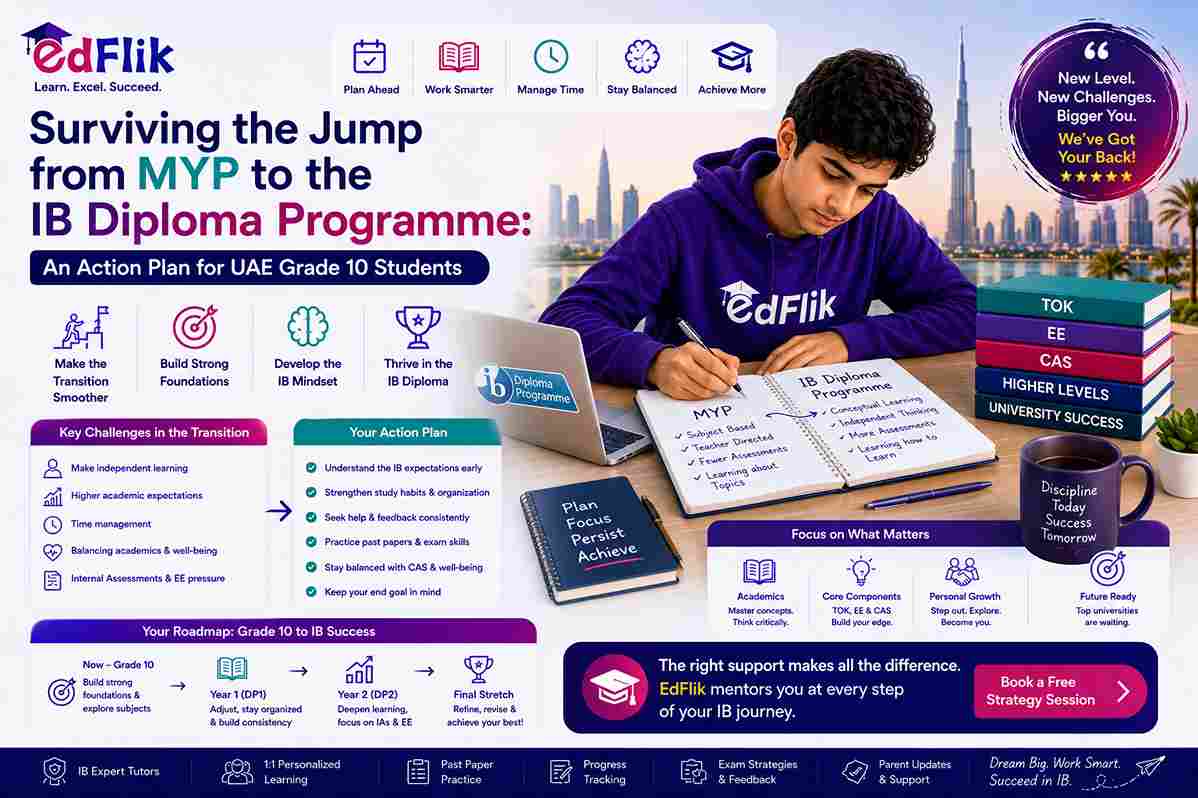
In the highly competitive and rapidly changing educational landscape of the United Arab Emirates, families across major metropolises like Dubai, Abu Dhabi, and Sharjah are constantly searching for comprehensive frameworks to guarantee exceptional academic development. Meeting these high standards requires a thorough look at underlying structural assessment rules, curriculum strategies, and customized learning plans that help turn a student's hard work into top-tier results. At EdFlik, we look closely at these complex paths, giving parents and students the precise technical tools and 1-on-1 expert mentorship they need to excel in highly competitive international school environments. Succeeding in this ecosystem means looking past surface-level study habits and focusing deeply on how global evaluation standards operate in reality. This detailed tactical framework is built specifically to help students navigate these academic demands, ensuring high performance across every key subject. When evaluating the critical framework of ib diploma programme transition, parents and educational stakeholders must look past quick structural fixes and embrace long-term, comprehensive curriculum mapping models. Developing solid academic strength in this specific area forms the foundational bedrock of all subsequent analytical reasoning skills, allowing high-achieving students to confidently navigate challenging secondary school frameworks and maintain their elite GPA goals.
Furthermore, the structural integration of modern education requires students to systematically align their personal daily routines with their broader higher-education goals. This alignment ensures that every study block, revision assignment, and mock test acts as a meaningful step forward rather than just another checklist requirement, helping them stand out exceptionally well during competitive global university admissions processes.
The Conceptual Reality of Moving From Criterion-Based to Exam-Driven Metrics
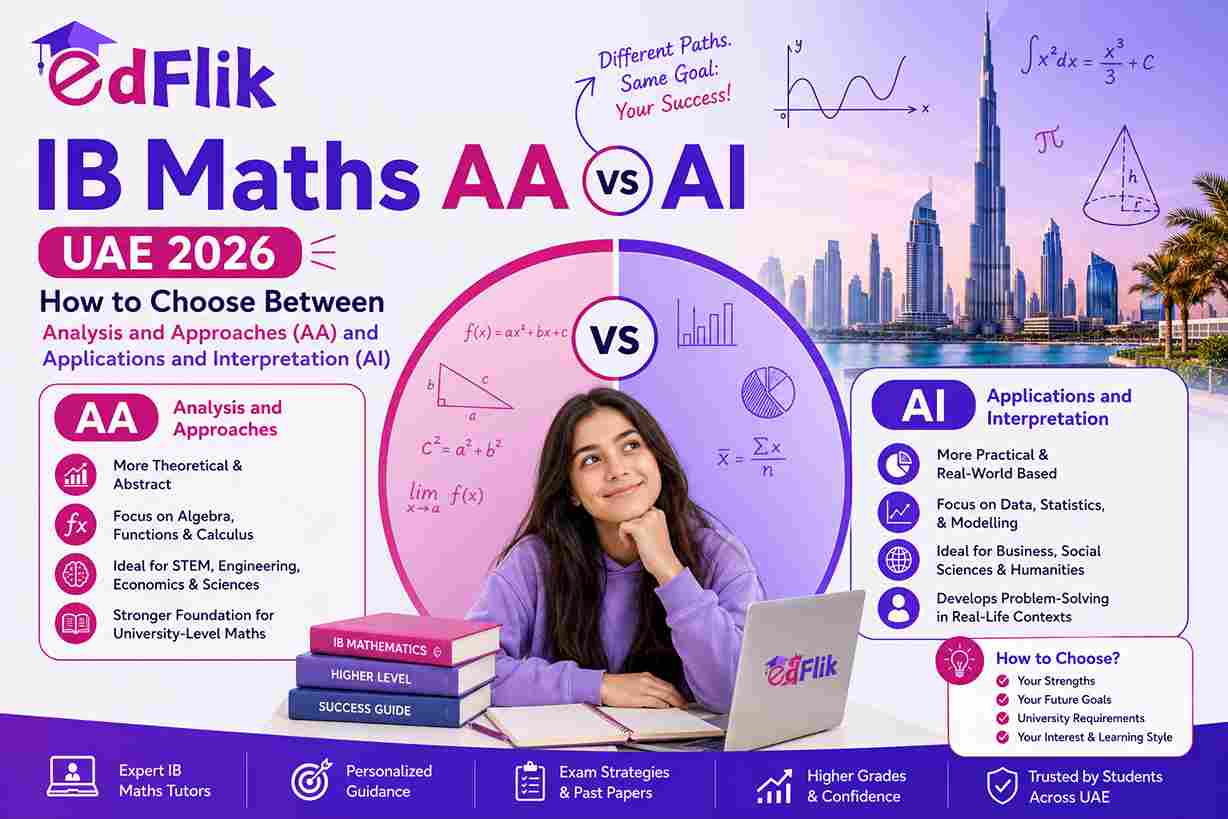
To thoroughly master the demands of this module, we must break down its key operational components. Within this phase of learning, students frequently run into significant conceptual blocks because the curriculum transitions rapidly from direct calculation to abstract reasoning. True understanding requires a complete look at underlying variables, a deep comfort with non-routine problem formats, and an absolute precision in your execution steps.
Many traditional educational centers accidentally treat this area as a simple series of processes to memorize, which leaves students highly vulnerable when facing complex application questions on their final exams. A far more effective path relies on deep, concept-focused exploration—ensuring the student fully understands why every mechanical step works before introducing faster algorithmic shortcuts. This strategic scaffolding forms the core base of the EdFlik instructional model.
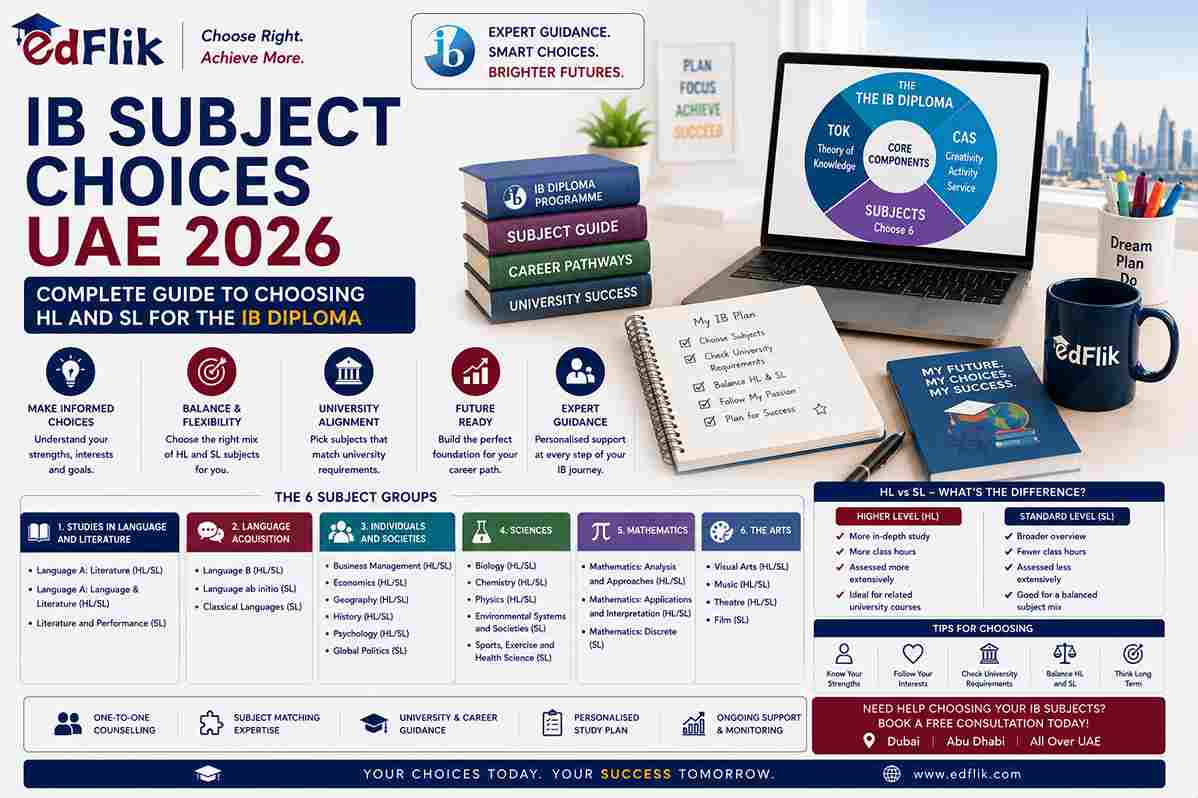
Strategic Subject Selection Calculations: Higher Level (HL) vs Standard Level (SL)
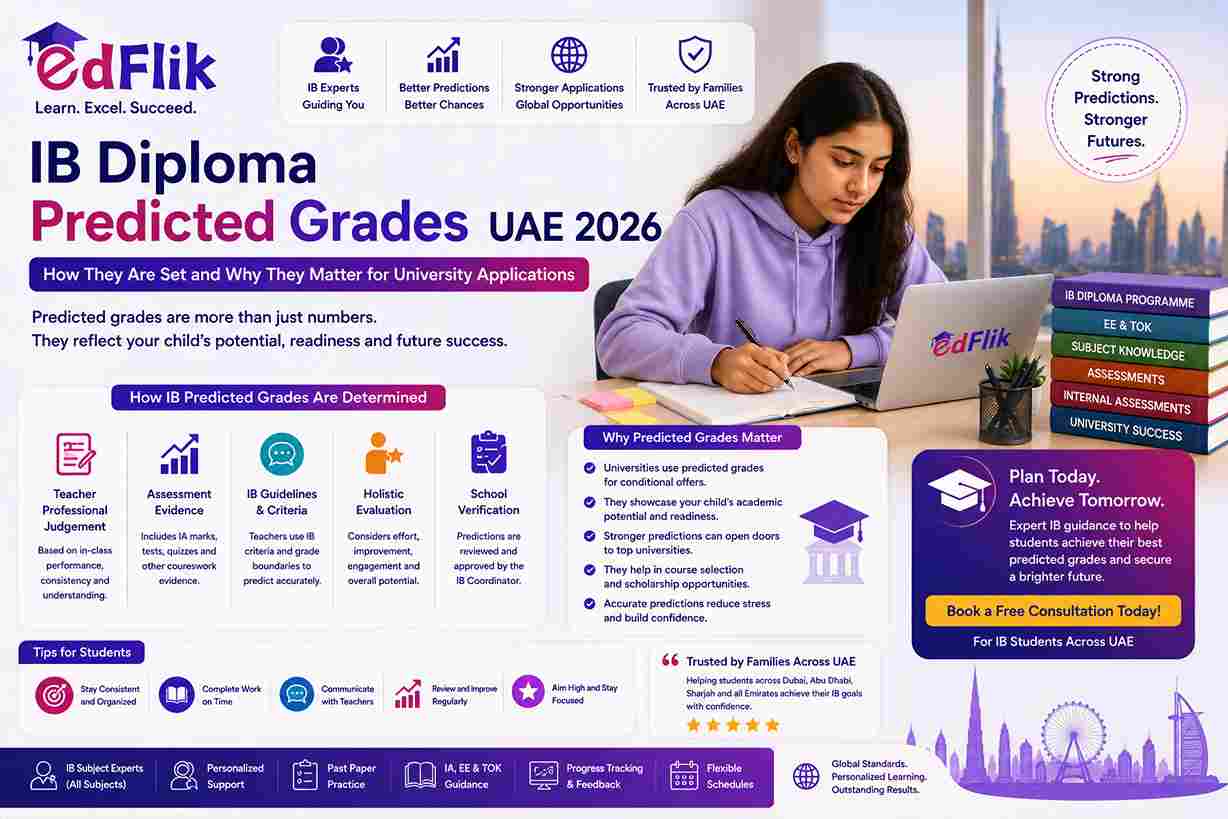
Effectively managing the academic transitions associated with ib diploma programme transition demands an analytical strategy that identifies and addresses hidden learning vulnerabilities early. As the complexity of the coursework steps up, slight foundational gaps from earlier terms can quickly multiply into noticeable blocks that impact performance across multiple connected subjects. Isolating these trouble areas requires accurate diagnostics and a proactive study rhythm.
By introducing consistent, structured diagnostic loops into the study routine, students can quickly catch and fix minor misunderstandings before they affect major midterm or end-of-term testing blocks. This organized approach minimizes exam-related anxiety, protects the student's overall academic GPA tracking, and builds a sustainable, high-performance learning rhythm throughout the complete school year.
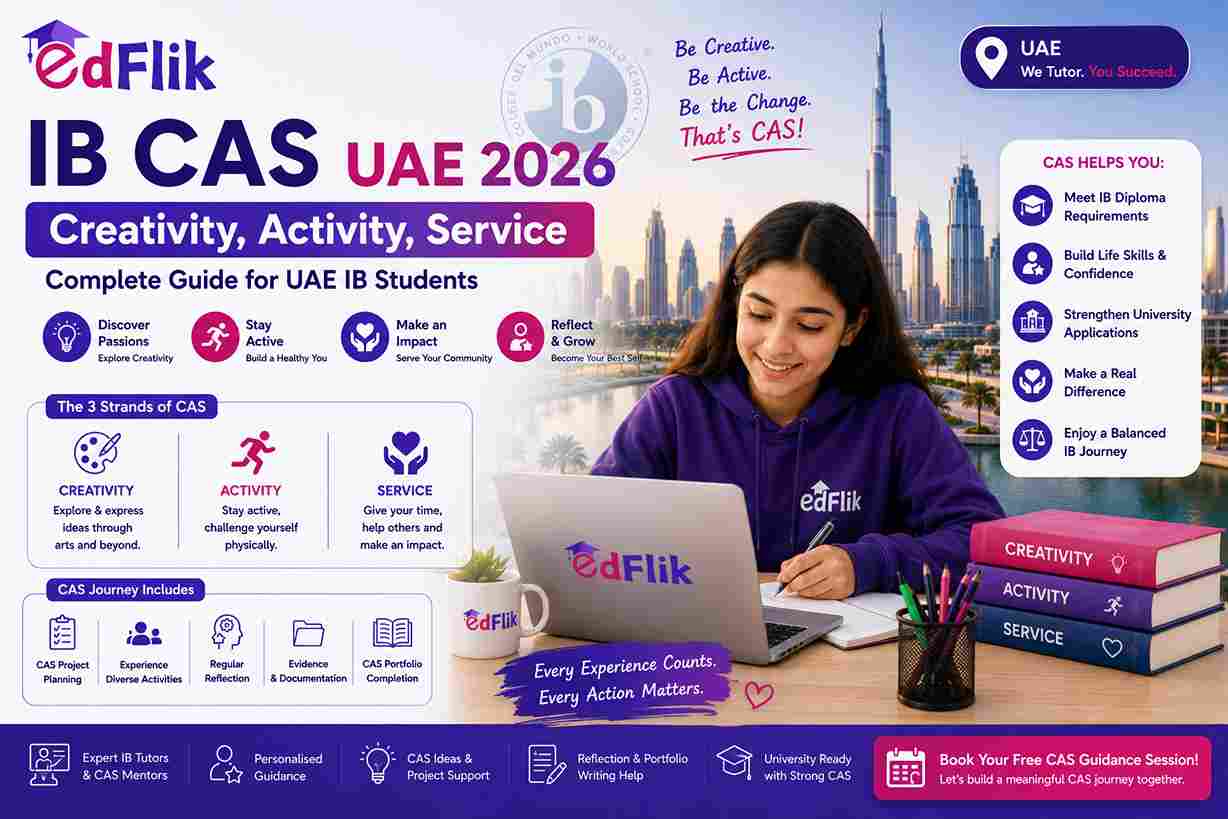
Managing the Combined Workload Pressure of Core Pillars (TOK, CAS, EE)
Diving deeper into the advanced applications of this track reveals where top marks are truly won or lost. The curriculum requires a high level of problem-solving stamina, demanding that students seamlessly integrate distinct theoretical systems—such as advanced quantitative logic and abstract language skills—to resolve multifaceted real-world problems cleanly and efficiently.
This high level of synthesis is exactly why generalized, large-group classroom settings can sometimes struggle to deliver maximum results for every single student. By shifting the learning focus to individual technical diagnostics, students can replace slow, uncertain guesswork with proven analytical methodologies, enabling them to tackle the most demanding segments of the official syllabus with absolute precision and complete confidence.
Building Advanced Time Management Frameworks for Weekly Assessments
Optimizing performance across this advanced subject pillar requires a rigorous, systematic look at the exact criteria used by international testing bodies. Students must look past basic textbook summaries and study the explicit wording found in official examiner reports, learning precisely how marks are distributed across complex, multi-stage questions.
Partnering with a dedicated, highly specialized 1-on-1 online mentor provides an exceptional way to master these exam nuances. A premium personal coach does not simply provide correct answers; they refine the student's unique thought processes, show them how to structure long-form responses for maximum mark acquisition, and build the deep, genuine subject authority required for consistent academic distinction.
Detailed Structural Analysis and Core Methodology
To maximize academic results within international educational systems, it is essential to move far past generic study routines and embrace structured diagnostic learning models. True content mastery relies on systematic baseline tracking, targeted focus on personal problem areas, and consistent active recall exercises that securely build long-term retention. Large group classroom settings naturally move forward at a uniform pace to complete the extensive official syllabus before final testing periods, which can frequently leave individual student questions unaddressed. Implementing personalized, 1-on-1 targeted academic coaching provides an exceptional solution, enabling specialized subject mentors to analyze a student's unique thought processes, eliminate deep-seated conceptual errors, and reinforce the exact problem-solving skills needed to handle non-routine exam questions cleanly and confidently on test day.
Hyper-Local UAE Landscape Integration and Regional Challenges
The unique cultural and demographic makeup of the UAE means that students within regional private schools frequently move between distinct international educational frameworks, making flexible, highly adaptive academic support strategies absolutely essential. Regional inspection updates, such as the annual KHDA assessment cycles in Dubai and ADEK standards in Abu Dhabi, maintain an exceptional level of performance rigor across British, American, International Baccalaureate, and Indian curriculum networks. To establish a distinct academic advantage within this competitive environment, families must pair standard school instruction with customized, data-driven home study strategies that specifically focus on tracking weekly error logs, mastering advanced quantitative problem-solving techniques, and building deep intellectual confidence well ahead of high-stakes final examination blocks.
Strategic Action Checklist for High-Performance Execution
· 1. Establish an Active Operational Roadmap: Map out your entire learning or revision sequence against official curriculum frameworks, breaking down large syllabi into manageable weekly modules.
· 2. Implement Active Diagnostic Retrieval: Shift away from passive reading or listening. Use structured flashcards, conceptual testing, and rapid recall drills to ensure deep long-term retention.
· 3. Conduct Systematic Error Log Analyses: Document every error made during practice sessions, clearly detailing the underlying conceptual misunderstanding and the specific strategy needed to avoid it in the future.
· 4. Partner with Specialized Academic Mentors: Invest in targeted 1-on-1 guidance to address individual learning styles, clarify complex theoretical points, and build genuine test-taking confidence.
Frequently Asked Questions (FAQs)
Q: Why do top-scoring MYP students frequently experience a drop in the DP phase?
A: The MYP relies heavily on flexible, holistic coursework rubrics, whereas the DP introduces dense, content-rich syllabi and strict, closed-book timed global examinations.
Q: How many Higher Level (HL) options should a student select?
A: Students select exactly three subjects at Higher Level and three at Standard Level. Choosing four HLs is rarely recommended unless required for specific STEM tracks at elite global universities.
Q: When should a student initiate their Extended Essay research question modeling?
A: The process must begin by the middle of Term 2 in Year 12 to ensure initial data-gathering runs smoothly before final Year 13 mock mock blocks begin.
Long-Term Academic Impact and Future Pathways
Ultimately, mastering challenging international academic frameworks is about more than just securing top marks on an individual term report card; it is about building the intellectual resilience, critical thinking habits, and lifelong learning capabilities needed for long-term success at premier global universities and in future professional careers. By establishing structured study routines early on, prioritizing deep conceptual understanding over simple rote memorization, and utilizing expert 1-on-1 mentorship, students transform academic hurdles into high-impact opportunities for personal growth and intellectual distinction. This deep preparation ensures they enter higher education not just to participate, but to lead dynamically in their chosen professional fields.